Self‑esteem influences decision‑making, emotional regulation, and willingness to remain engaged in addiction treatment. When confidence is low, unhealthy coping patterns feel familiar, daily stress feels harder to manage, and the risk of relapse increases.
This article explains how self‑esteem is affected during substance use, why it matters during recovery, and how treatment approaches help rebuild a healthier internal foundation so people can remain engaged in care and make steadier decisions.

Understanding Self‑Esteem and Its Role in Recovery
Self‑esteem reflects how someone views their value, reliability, and ability to manage daily responsibilities. This internal view affects responses to stress, reactions to setbacks, and confidence when facing challenges. Substance use often disrupts this perception by repeatedly leading to consequences involving health, relationships, and work. These experiences reinforce shame and doubt that can persist even after substance use stops.
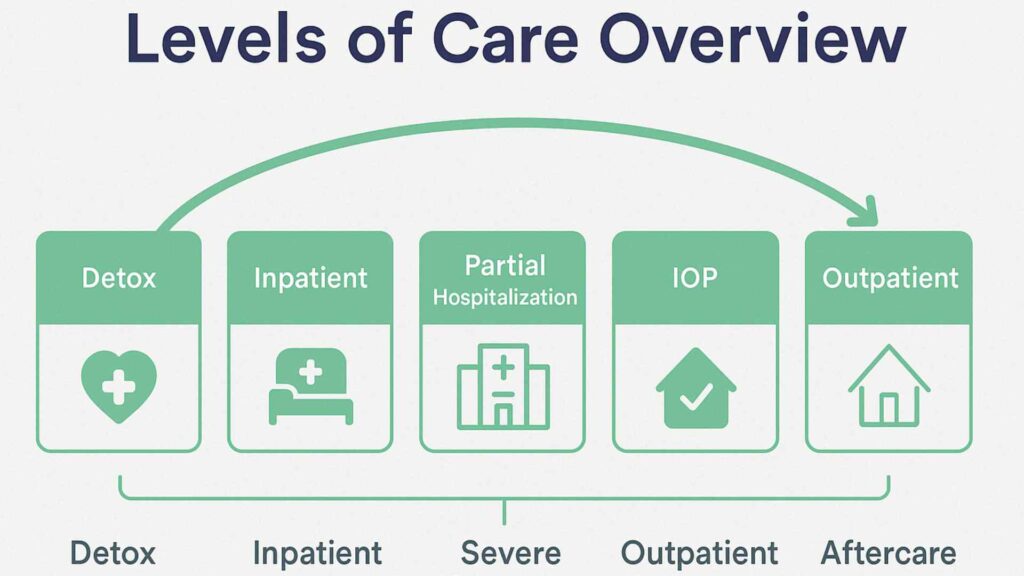
Recovery places steady emotional and behavioral demands on a person. When confidence remains low, engagement in care may decline, and coping skills may feel ineffective. At Abundance Treatment, our outpatient rehab program in Toledo, OH, addresses this pattern in substance use recovery through skill-based therapy, routine support, and gradual exposure to real-world responsibilities that help rebuild trust in one’s abilities.
How Substance Use Weakens Self‑Worth
Substance use disorders commonly involve cycles of regret, broken commitments, and strained relationships. Financial pressure, legal stress, and interpersonal conflict often follow. Each setback contributes to a growing belief that improvement is unlikely, which reinforces avoidance and emotional withdrawal.
Social stigma further reinforces negative beliefs. Many people internalize inaccurate views of addiction as a personal failure rather than a health condition. This mindset increases isolation and discourages support during early recovery, even when help is available.
Brain chemistry also plays a role. Prolonged substance use affects systems responsible for reward processing and stress regulation. These changes intensify negative self‑talk and emotional reactivity, making balanced self‑assessment more difficult without therapeutic intervention.
Why Low Self‑Esteem Increases Relapse Risk
Reduced confidence affects recovery in practical ways. Doubt about coping skills can lead to avoidance of challenging situations and reduced use of strategies learned in treatment. Emotional distress linked to shame or self‑criticism often increases cravings and impulsive responses.
Setbacks carry greater weight when self‑worth is fragile. A lapse may be viewed as proof of failure rather than as a signal to seek support. This reaction raises the risk of continued substance use. A healthier internal outlook supports problem‑solving, accountability, and re‑engagement with care after mistakes.
Treatment Approaches That Support Self‑Esteem
Evidence‑based therapies address distorted beliefs about competence and value. Cognitive‑behavioral therapy focuses on identifying inaccurate thought patterns and replacing them with realistic assessments. This process improves emotional regulation and decision‑making.
Group therapy offers corrective social experiences. Peer feedback reduces isolation and normalizes the challenges of recovery. Shared accountability and respectful communication strengthen trust and reinforce a sense of belonging.

Skill‑building remains essential. Learning emotional regulation, communication, and problem‑solving improves confidence in daily functioning and supports continued engagement in recovery.
Daily Behaviors That Reinforce a Healthier Self‑View
A stronger sense of worth develops through repeated follow‑through on realistic goals. Daily routines related to sleep, nutrition, and physical activity improve mood and reinforce self‑respect.
Mindfulness practices support awareness of thoughts without judgment. This approach reduces the impact of negative internal dialogue and supports emotional balance. Reflection exercises and values‑focused activities help establish identity beyond substance use.
Support systems remain vital. Healthy relationships reinforce progress through shared responsibility, trust, and encouragement. Continued involvement in recovery communities strengthens connection and emotional stability.
Long‑Term Benefits During Recovery
Improved self‑perception supports recovery stability through stronger stress tolerance and steadier emotional responses. People with greater confidence tend to pause before reacting, apply coping skills more effectively, and follow through with treatment plans during high‑pressure situations. This reduces reliance on substances to regulate emotions or escape discomfort.
A healthier internal outlook also supports rebuilding daily life in practical ways. Employment responsibilities, educational goals, and relationship repair feel more manageable as confidence grows through repeated success. These experiences strengthen daily routines, reinforce responsibility, and help recovery remain part of everyday life rather than a short‑term focus.
Final Thoughts from Abundance Treatment
Self‑esteem supports recovery engagement, emotional regulation, and relapse prevention. When confidence improves, people approach stress with greater control, respond to setbacks without withdrawal, and remain connected to care during difficult moments.
At Abundance Treatment, our outpatient treatment program in Toledo, OH, addresses self‑esteem as part of recovery care. Self‑confidence is reinforced through ongoing therapeutic work that supports steady participation and long‑term recovery outcomes.