Addiction affects millions of Americans, with ripple effects touching one in five families. It can transform the home into a battleground of chaos, gradually eroding trust, connection, and a sense of safety for everyone involved.
In this article, we examine the profound emotional, financial, and social costs, revealing addiction as a chronic family disease. Understanding these impacts empowers recovery and resilience.

Emotional Toll on Families
Addiction unleashes immediate emotional chaos within families, where loved ones grapple with relentless anxiety, fear, and grief triggered by the unpredictability of relapses, mood swings, or even violence. Addiction is a result of a complex interplay of genetic predispositions, where family history increases vulnerability by up to 50%, combined with environmental triggers like chronic stress or trauma. Early exposure to substance use in the home can normalize addictive behaviors, while untreated mental health issues, such as depression or PTSD, serve as underlying causes that fuel dependency.
Parents watching a child spiral into heroin use describe a constant knot of dread, while siblings tiptoe around explosive tempers. These acute responses evolve into long-term psychological scars. Children of addicts face developmental delays and attachment disorders, with CDC’s Adverse Childhood Experiences (ACEs) studies showing they are up to four times more likely to develop their own addictions later in life.
Spouses endure betrayal trauma, marked by depression and shattered trust after repeated lies or stolen savings for drugs. Extended family members, often thrust into caregiving roles, battle burnout and resentment, trapped in enabling cycles called “invisible loyalty.” Psychologists emphasize the family systems theory that addiction doesn’t isolate the individual. It rewires the entire emotional ecosystem, fostering codependency where family members unconsciously perpetuate the dysfunction to maintain fragile equilibrium.
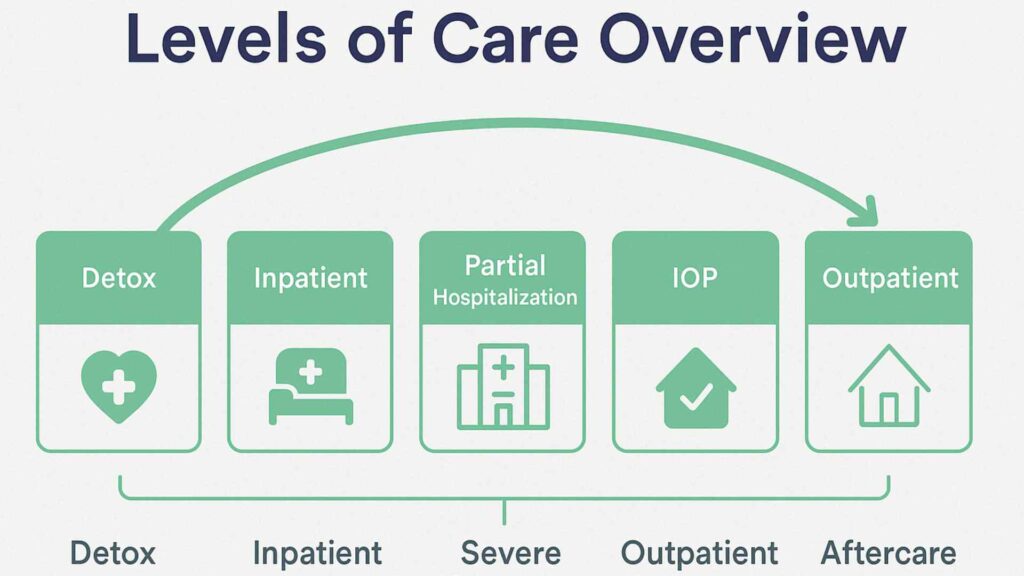
Addressing this toll requires accessible solutions like the Intensive Outpatient Program in Toledo, OH, which we provide at Abundance Treatment. We help individuals engage in therapy and family counseling while staying connected to home life and school responsibilities, reducing disruption to family and school, and supporting emotional healing.
Financial Burdens and Economic Strain
The financial devastation from addiction strikes swiftly and deeply, with direct costs like medical bills, rehabilitation programs, and legal fees piling up rapidly. Indirect costs compound the crisis. The addicted member’s job loss drains household income, while caregivers forfeit wages to manage fallout, leading to evictions, depleted savings, and bankruptcies.
Children suffer long-term consequences, with reduced educational attainment translating into 20-30% lower lifetime earnings, according to the Centre for Longitudinal Studies. Families often enter survival mode, juggling multiple jobs or relying on food banks, yet the strain erodes stability, trapping generations in poverty cycles as parents model financial recklessness.
Social Consequences and Isolation
Addiction fractures social fabrics, driving relationship breakdowns with divorce rates soaring about 50% higher in affected households. Custody battles and estrangement become commonplace, with children shuttled between homes amid accusations and court dates. Stigma amplifies this isolation. Families shroud the issue in secrecy, fearing judgment, which severs ties to friends, schools, and communities. Relatives may even avoid social events to hide the addict’s behavior. This withdrawal feeds a vicious loop, as shame blocks help-seeking and dismantles support networks.
Broader ripples hit child welfare systems, where parental addiction links to an increase in foster care entries, and criminal justice involvement surges through DUIs or thefts. Cultural factors intensify impacts: minority families, already battling discrimination, face compounded judgment, with higher rates of community ostracism. The consequences of addiction extend beyond the home, eroding community trust and perpetuating cycles where isolated families lack the interaction and social support needed for healing.

Interconnected Impacts and Vicious Cycles
These costs don’t operate in silos. Emotional trauma ignites financial desperation, which deepens social isolation in a relentless feedback loop. A spouse’s depression from betrayal might prompt enabling payments to appease the addict, draining bank accounts and prompting secrecy that alienates friends.
Enabling behaviors rooted in love that have turned toxic amplify this. Family members cover lies or bail loved ones out of jail, unwittingly sustaining addiction as described in family systems models. Children of addicts face 4-6 times higher substance use risk, transmitting trauma genetically and environmentally through modeled coping failures. Visualize it as a tangled web: one relapse sparks anxiety (emotional), job loss (financial), and ghosted invitations (social), each feeding the next.
Breaking this cycle often requires structured outside support. A professional intervention service helps families recognize codependency patterns, interrupt enabling behaviors, and redirect efforts toward accountability and treatment. By reframing “help” away from sacrifice and toward boundaries, intervention disrupts generational dynamics that keep families locked in addiction until meaningful change occurs.
Pathways to Recovery and Mitigation
Recovery blooms through family involvement that rebuilds from within, such as Al-Anon meetings where relatives learn to practice detachment with love, or Multifamily Groups that foster shared healing. Community Reinforcement and Family Training (CRAFT) equips loved ones with tools to encourage treatment, usually with high engagement rates.
Addiction prevention demands early education in schools, policy reforms for affordable care like expanded Medicaid coverage, reducing family costs by 40%, and financial planning apps tailored for at-risk households.
Final Thoughts from Abundance Treatment
Addiction’s emotional wounds, financial ruins, and social isolations compound into a perfect storm, ensnaring families for generations unless confronted head-on. Yet resilience defines the human spirit. Empathy from communities, bold policy advocacy for accessible treatment, and the courage to seek help rewrite these narratives.
At Abundance Treatment, our Intensive Outpatient Treatment Program in Toledo, OH, offers flexible, evidence-based care for substance use addiction, allowing adults and adolescents to maintain work, school, and family responsibilities while addressing root causes and co-occurring mental health disorders like anxiety or PTSD. With our individualized plans, relapse prevention strategies, life skills training, and a compassionate community approach, plus family involvement, families can rebuild connections with their loved ones and choose lasting recovery to transform shadows into stories of triumph.