Social isolation often occurs in early addiction recovery as individuals adjust routines, distance themselves from substance-using peers, and rebuild social trust. These changes can temporarily limit social interaction and support.
Addressing isolation is important because loneliness is linked to higher risks of anxiety, depression, relapse, and other negative health outcomes. This article explains why secluding oneself occurs during early recovery and outlines practical, evidence-based steps to strengthen meaningful relationships.

Recognizing Social Isolation in Recovery
Isolation may present as reduced communication, avoidance of interpersonal relationships, or extended periods of solitude. Individuals might also experience a sense of detachment or difficulty connecting with others, even in group settings.
During rehab, several factors can contribute to loneliness, including shifts in routine, separation from substance-using networks, and fears of stigma or misunderstanding. These experiences can also act as barriers to treatment, making it harder for individuals to engage in therapy or seek help when needed fully.. Identifying these patterns early allows for timely support and intervention, reducing the risk of emotional distress or relapse associated with prolonged isolation.
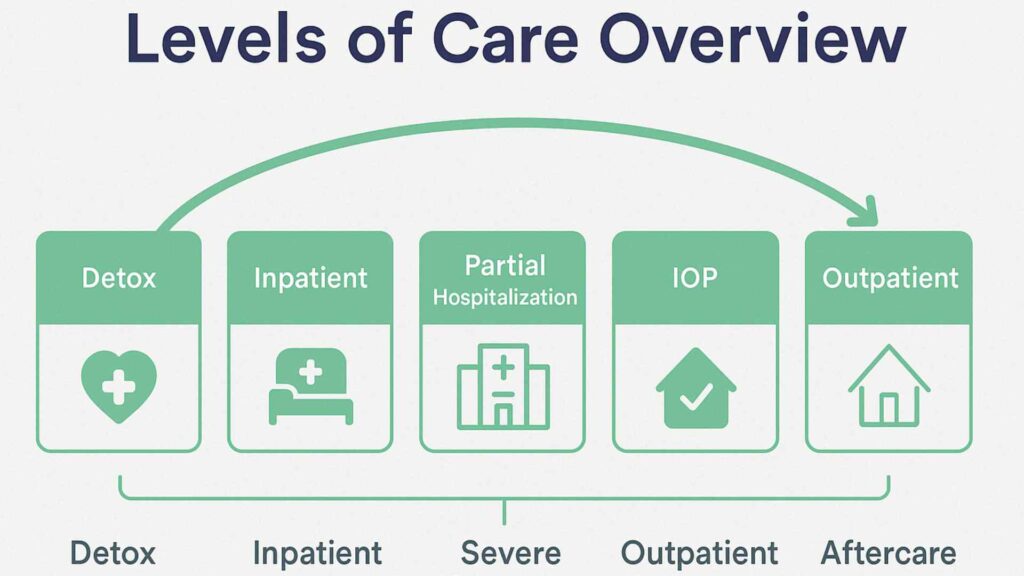
The outpatient program in Ohio that we offer at Abundance Treatment can help address these challenges by combining therapy, peer connection, and recovery education in a supportive environment, promoting both accountability and a sense of belonging.
Tips to Overcome Social Isolation
Starting Small: Reaching Out to Trusted People
Rebuilding community ties is most effective when approached in a gradual and intentional manner. Begin by identifying two or three trusted individuals, such as family members, supportive friends, or peers, and establishing brief, consistent check-ins. This might include short phone calls, text exchanges, or scheduled video chats that provide encouragement and reassurance.
Regular social interaction has been shown to activate neural pathways associated with reward and stress regulation, helping stabilize mood and reduce cravings. Consistent contact with a supportive circle can stimulate the release of oxytocin, a hormone associated with trust and emotional regulation, which can help counteract the isolation and stress responses common in early recovery. These small, predictable interactions eventually reinforce accountability, improve emotional resilience, and strengthen motivation to maintain recovery behaviors.
Developing a Daily Routine
Establishing a consistent daily routine helps regulate mood, reduce idle time, and minimize the risk of loneliness or relapse. Having a schedule creates predictability, which supports cognitive stability and lowers the likelihood of rumination, a common challenge in early recovery.
A well-balanced timetable should include consistent sleep and wake times, regular meals, physical activity, and planned tasks such as therapy sessions, support meetings, or work commitments. Establishing regular sleep times and daily routines reinforces circadian rhythms, which influence hormone balance and emotional regulation. Even short, intentional activity blocks, including 15 to 20 minutes of journaling, reading, or connecting with others, can strengthen motivation and reduce perceived isolation by adding purpose and routine social contact throughout the day.
Engaging in New or Old Hobbies
Engaging in hobbies promotes focus, skill development, and a sense of accomplishment, which can help regulate mood and restore healthy brain reward systems often affected by substance use. Activities such as art, cooking, language learning, or simple DIY projects offer engagement that reduces stress and unoccupied time. Joining small groups or online communities related to these interests also provides low-pressure opportunities for outgoing interaction, helping individuals rebuild confidence and connection in a manageable, purpose-driven way.

Spending Time Outdoors and Staying Active
Regular outdoor activity supports both physical and mental recovery by lowering stress and improving overall mood stability. Light-to-moderate exercise, such as walking, gardening, or gentle stretching, stimulates the release of endorphins and regulates the body’s stress response system, which can be disrupted during early recovery.
Integrating social elements, such as walking with a friend or joining a local group class, introduces low-pressure opportunities for connection.
Practicing Mindfulness and Stress Reduction
Mindfulness helps regulate both emotional and physiological responses to stress, supporting greater stability. Simple techniques such as diaphragmatic breathing with extended exhales, brief body scans, or guided meditations help calm the nervous system and improve focus. Box breathing, where you inhale, hold, exhale, and hold for equal counts, can further steady heart rate and enhance mental clarity by balancing oxygen and carbon dioxide levels in the body.
Consistent practice strengthens self-regulation pathways in the brain, which aids in managing cravings, improving emotional control, and navigating social situations more effectively. These skills eventually promote a calmer, more resilient response to everyday challenges and stressors.
Seeking Support Groups and Peer Networks
Peer-based support groups offer environments that foster connection, accountability, and shared learning. Programs such as 12-Step groups, SMART, and Refuge Recovery combine behavioral strategies with social reinforcement, which can reduce relapse risk and improve engagement.
It is common to feel ambivalence about joining a group, especially when motivation and confidence fluctuate. Starting with smaller or topic-specific meetings can ease this transition, allowing participants to build comfort gradually. Both in-person and virtual options provide space to exchange coping strategies, share experiences, and normalize the challenges of maintaining long-term sobriety.
Final Thoughts from Abundance Treatment
Reducing social isolation in early recovery can be achieved through consistent, realistic steps, maintaining regular contact with supportive people, building a structured daily routine, staying active, and participating in recovery-focused communities. Mindfulness and stress-management techniques further reinforce emotional balance, helping individuals stay grounded as they rebuild their social connections.
At Abundance Treatment, our outpatient program in Toledo, Ohio, is designed to support this process by combining evidence-based therapy, peer connection, and personalized care. We help individuals develop the social and emotional tools needed for lasting sobriety and a healthier, more connected life.