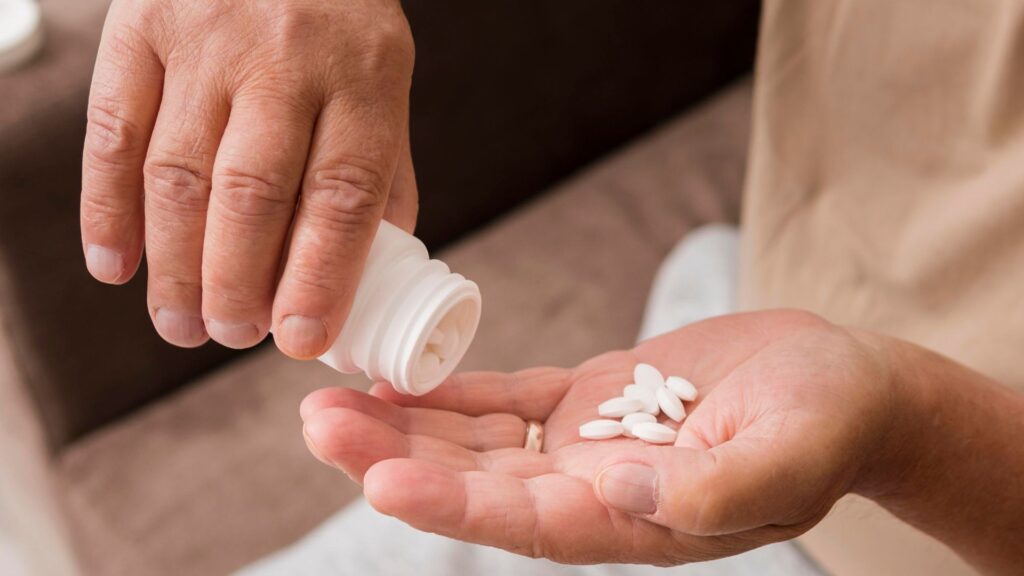
Medication-assisted treatment for opioid use disorder combines FDA-approved medications with counseling and behavioral therapy to provide a whole-patient approach to addiction recovery. If you’re considering treatment options, it can be difficult to know how to decide between methadone, buprenorphine, and naltrexone. This guide breaks down how each medication works, who benefits most from each option, and what factors matter when choosing the right MAT treatment for you or your loved one. We’ll explore effectiveness, accessibility, and practical considerations to help you make an informed decision about opioid use disorder treatment options.
Quick Takeaways
- Three FDA-approved medications treat opioid use disorder: methadone, buprenorphine, and naltrexone
- Each medication works differently and suits different recovery stages and lifestyles
- Combining medication with counseling provides the most effective treatment outcomes
- Your current opioid use pattern helps determine which medication suits you best
- Insurance coverage and program requirements differ across MAT treatment options
Introduction to Medication-Assisted Treatment for Opioid Use Disorder

Medication-assisted treatment (MAT) is currently seen as the gold standard for opioid addiction treatment, combining pharmaceutical interventions with therapeutic support. The Substance Abuse and Mental Health Services Administration (SAMHSA) recognizes MAT as evidence-based care that addresses both the biological and psychological aspects of addiction, which they found has helped produce lower rates of overdose and reincarcerations in the prison system.
Unlike abstinence-only approaches, taking medication helps normalize brain chemistry disrupted by substance use disorders while patients develop coping strategies through behavioral therapy. Many patients find success because medications reduce cravings and withdrawal symptoms, allowing them to focus on recovery rather than constantly fighting physical discomfort.
How Methadone Works in Opioid Treatment Programs
Methadone maintenance treatment has helped people recover from opioid dependence since the 1960s. This long-acting opioid agonist activates the same brain receptors as heroin or prescription painkillers but without producing euphoria at therapeutic doses. However, because methadone also has the potential to be abused, patients receiving treatment have traditionally had to visit specialized opioid treatment programs daily, especially during early recovery, where staff observe medication consumption.
Methadone maintenance prevents opioid withdrawal while blocking the effects of other opioids, essentially creating a stable baseline that allows patients to rebuild their lives. The daily clinic visits also provide structure and regular check-ins with addiction medicine professionals, though this requirement has created significant barriers for people with inflexible work schedules or transportation challenges.
The COVID-19 era saw some loosening of rules to allow people with opioid use disorder to take home methadone in certain circumstances while clinics were shuttered. In 2024, a federal rule change by SAMHSA allowed some addiction treatment patients to take home doses of Methadone, but state regulations in some parts of the country have slowed down this increased access.
Buprenorphine: Accessible Treatment in Primary Care
The ability to prescribe buprenorphine in primary care settings revolutionized treatment access for opioid use disorder (OUD). This partial opioid agonist produces what is called a ‘ceiling effect’, meaning higher doses don’t increase euphoria, which reduces misuse potential.
Patients can receive prescriptions from brand names like Suboxone, Belbuca, and Butrans from their regular primary care providers rather than visiting specialized maintenance clinics, making this option more convenient for many individuals. Buprenorphine comes in several formulations, including:
- Sublingual tablets
- Films
- Implants
The flexibility to take medication at home appeals to patients who need privacy or have demanding schedules, though success requires personal accountability and stable living situations to prevent diversion.
Naltrexone: Blocking Opioids for Committed Recovery
Naltrexone works completely differently from methadone or buprenorphine because it’s an opioid antagonist that blocks receptors rather than activating them. This medication is available in two formulations: daily pills or an extended-release injectable suspension administered monthly.
The monthly injection, marketed as Vivitrol, eliminates concerns about daily compliance and provides consistent protection against relapse. However, the main catch with Naltrexone is that patients must complete full detoxification before starting naltrexone, making it suitable for highly motivated individuals who’ve already achieved abstinence.
The medication prevents opioid cravings by blocking any euphoric effects if relapse occurs, though it doesn’t ease withdrawal symptoms like other MAT options. This treatment pathway works best for people transitioning from more medically intensive addiction programs or those with strong support systems.
Making Your Choice: Comparing Effectiveness Across Three Medications

Comparative effectiveness research reveals that each FDA-approved medication excels in different scenarios.
- Methadone shows superior retention rates for people with severe, long-term opioid addiction, keeping approximately 60% of patients in treatment after one year.
- Buprenorphine demonstrates similar effectiveness to methadone but greater accessibility through different treatment pathways.
- Naltrexone works well for specific populations, particularly those completing residential programs or in recovery from prescription opioid misuse rather than heroin. However, it does have lower program retention rates than methadone and buprenorphine after 1 year.
Regardless of your choice and recommendation by your care provider, all three medications significantly outperform non-medication approaches, reduce overdose risk, and support long-term recovery. The “best” choice depends on individual circumstances, including addiction severity, social support, employment stability, and personal preferences about clinic visits versus access to home medication management.
Treatment Comparison
| Medication | Administration | Clinic Visits | Best For |
|---|---|---|---|
| Methadone | Daily oral dose | Daily required (some exceptions) | Severe long-term addiction |
| Buprenorphine | Sublingual/implant | Weekly to monthly | Moderate addiction, employed patients |
| Naltrexone | Monthly injection | Monthly required | Post-detox, motivated individuals |
Factors Influencing Your Medication Choice
Choosing between the three FDA-approved medications requires an honest assessment of your current situation and recovery goals.
- Consider your substance use patterns: are you using daily, how severe is your opioid dependence, and have you tried treatment before?
- Your living situation matters significantly because methadone maintenance requires daily clinic access while buprenorphine needs secure home storage.
- Employment flexibility influences whether daily clinic visits work practically.
- Insurance coverage varies dramatically, with some plans favoring specific medications based on cost considerations.
- Co-occurring conditions like hepatitis C, mental health challenges, or alcohol use disorder may make certain medications more appropriate.
Medication-Assisted Treatment for Opioid Use Disorder Frequently Asked Questions
What medications are FDA-approved for MAT?
The FDA has approved three medications for opioid use disorder: methadone, buprenorphine (including Suboxone), and naltrexone (both oral and extended-release injectable Vivitrol). These medications help reduce cravings, withdrawal symptoms, and the risk of overdose when combined with counseling and behavioral therapies.
What is medication-assisted treatment for opioid use disorder?
Medication-assisted treatment (MAT) combines FDA-approved medications with counseling and behavioral therapies to treat opioid use disorder. This evidence-based approach helps normalize brain chemistry, reduce cravings and withdrawal symptoms, improve treatment retention, and support long-term recovery while addressing the whole person’s needs.
Begin Your Recovery Journey with Compassionate Opioid Treatment
Recovery from opioid use disorder starts with compassionate, structured care. Abundance Treatment offers evidence-based PHP, IOP, and outpatient programs designed to support your healing journey while you maintain life’s responsibilities. Our dual diagnosis support addresses co-occurring mental health needs in a welcoming, family-like environment. Take the first step toward your abundant life. Contact Abundance Treatment in Toledo today.