Seeking help while keeping up with daily responsibilities can feel overwhelming. An intensive outpatient program (IOP) offers a way to stay involved in life while still receiving focused addiction care. It provides regular therapy and clinical support without requiring overnight stays.
This article outlines how an IOP functions, what participants can expect, and why this model supports progress for those balancing everyday commitments.

What Is an Intensive Outpatient Program?
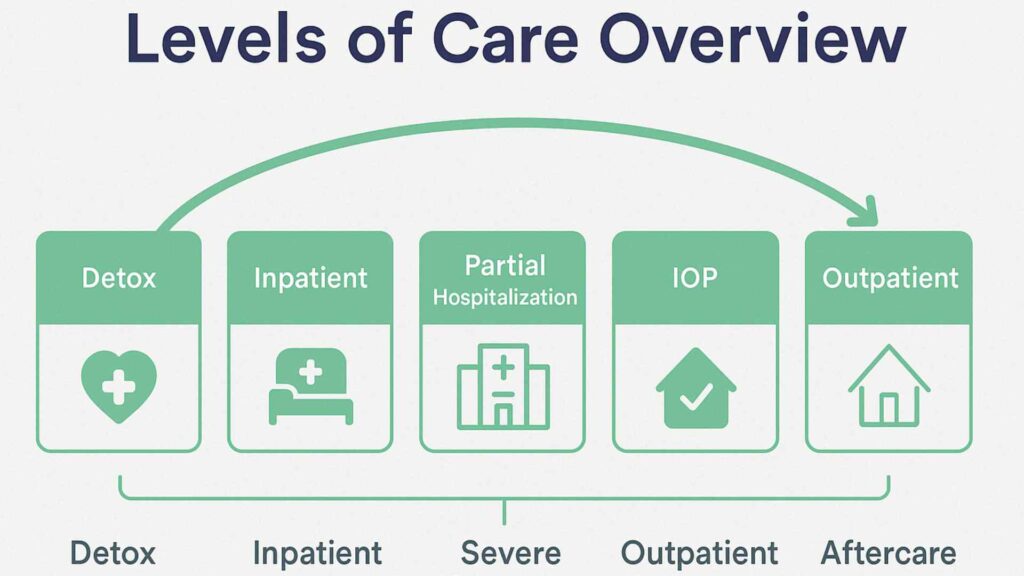
An intensive outpatient program is a level of addiction care that provides multiple weekly therapy sessions while allowing individuals to live at home. It offers more support than standard outpatient care but does not require overnight stays, making it suitable for people who need regular clinical involvement without entering a residential program.
An IOP includes scheduled therapy, skill-building activities, and consistent check-ins to help manage cravings, strengthen coping skills, and rebuild healthier habits. Participants follow a weekly plan that often includes group therapy, individual counseling, and psychoeducation, providing steady practice of the skills learned in each session.
This model works well for individuals transitioning from detox or inpatient programs, as well as those beginning their recovery who can remain stable without 24-hour supervision. Its reliable routine helps people stay engaged, organized, and focused on progress while continuing their daily responsibilities at home.
How Weekly Sessions Are Organized
Weekly sessions in an IOP follow a steady routine that helps participants stay focused while managing daily responsibilities. Most programs meet several days per week, with each visit lasting a few hours, providing individuals with regular contact with clinicians without disrupting work or family life.
Each week blends different types of sessions to meet specific needs. Individual meetings give participants time to discuss personal challenges, review progress, and prepare for situations that may increase cravings. Group sessions are scheduled throughout the week to build connection and offer peer support, giving participants a chance to discuss their experiences with others who understand the recovery process.
Alongside therapy, the weekly schedule includes education on topics such as relapse risks, emotional patterns, and healthy decision-making. Programs may also include skill-building exercises that help individuals practice managing stress and staying grounded during difficult moments. The combination of these activities creates a reliable rhythm that encourages steady progress while allowing participants to apply what they learn to real-life situations between sessions.
Therapies Used in an Intensive Outpatient Program
IOPs use evidence-based therapies that target the emotional, mental, and behavioral factors driving substance use. Cognitive-behavioral therapy (CBT) is a core component that offers tools to recognize unhelpful thought patterns and replace them with healthier responses. This helps individuals understand the connection between thoughts, actions, and urges.
Motivational interviewing is commonly used to support commitment to sobriety. This approach helps participants clarify their goals, strengthen internal motivation, and stay engaged throughout care.

Group therapy remains a key element in IOPs because peer feedback often increases insight and builds a sense of community. Conversations in these sessions help participants understand how others handle cravings, stress, or emotional triggers, providing real-world strategies they can use themselves.
This also includes educational lessons focused on relapse-prevention planning, emotional regulation, and the impact of substances on the brain. These lessons give individuals practical knowledge they can apply both inside and outside the program, supporting healthier decisions and strengthening long-term progress.
Who Benefits Most from an Intensive Outpatient Program?
An IOP is well-suited for individuals seeking addiction care who need regular clinical involvement while still managing work, school, or family responsibilities. Many participants enter an IOP after detox or residential care to ease into more independence. Others begin care in this setting when they are stable enough to remain at home but still need a predictable level of support.
Those who benefit most are individuals motivated to stay engaged, attend weekly sessions, and practice coping skills between visits. The balance of independence and scheduled care gives participants the chance to apply what they learn directly to daily life while still having frequent clinical contact to review progress, address challenges, and stay focused on long-term recovery goals.
Final Thoughts from Abundance Treatment
An intensive outpatient program offers a practical way for individuals to address addiction while staying connected to their home, work, and community. Through targeted therapy, skill development, and steady clinical involvement, participants gain tools that support long‑term emotional stability.
At Abundance Treatment, we provide outpatient care designed to support individuals at every stage of their healing journey. Our intensive outpatient treatment program in Toledo, OH, offers evidence‑based therapy, group sessions, and planning to help participants build confidence and steady progress. We are committed to offering a safe, encouraging environment for anyone working toward healthier living.