Comparing various opioid analgesics often comes down to understanding how they interact with your body and your life. While both fentanyl and morphine are powerful tools in pain management, they are far from identical. Fentanyl, compared to morphine, is significantly more potent, being 100 times stronger according to the Centers for Disease Control (CDC).
This article explores the critical differences in fentanyl vs. morphine for opioid addiction risk, dependence, and clinical application for these two medications. You will learn about the baseline characteristics that define their use, from treating severe acute pain to managing chronic conditions like cancer pain, and why the speed of onset makes one much riskier than the other in terms of respiratory depression and overdose.
Key Points
- Because fentanyl is very potent and can act rapidly (especially by IV/inhaled routes), it can increase overdose risk and may increase reinforcement for misuse.
- Morphine patients typically experience a slower onset of pain relief, while the fentanyl group sees almost immediate effects.
- Respiratory depression is the most significant risk for both, but it occurs much faster and with smaller doses of fentanyl.
- While both are effective for pain, fentanyl carries a higher risk for accidental overdose due to its potency.
Fentanyl Versus Morphine: The Potency Gap

When you look at the chemical makeup of these substances, the first thing to note is that morphine is a naturally occurring alkaloid from the opium poppy, while fentanyl is a fully synthetic opioid. This distinction is vital because scientists designed fentanyl to be extremely lipophilic, meaning it crosses into your brain much faster than other drugs. Because of this, rapid onset and high potency can increase the risk of reinforcement and misuse, but the timeline and degree of neuroadaptation vary widely.
- Fentanyl is 50 to 100 times stronger than morphine.
- It is highly lipophilic, allowing it to enter the central nervous system rapidly.
- A very small dose can lead to death if not strictly monitored.
If you were in a hospital receiving patient-controlled analgesia, a tiny amount of fentanyl would achieve the same pain relief as a much larger dose of oral morphine.
Managing Severe Acute Pain and Cancer Pain
You might encounter these medications in very specific medical scenarios. Morphine is frequently the go-to for postoperative analgesia or severe pain following a major injury. Doctors often prefer sustained-release oral morphine for chronic pain because it provides a steady level of medication in your system. On the other hand, transdermal fentanyl patches or buccal films are frequently reserved for cancer pain when a patient has already developed a tolerance to other opioid therapy.
For ambulatory surgical procedures, clinicians are increasingly careful about which opioid analgesics they prescribe for home use. You should always provide written informed consent before starting a regimen involving these two medications to ensure you understand the risks of nausea, sedation, and potential overdose.
- Morphine is often used for steady, long-term pain relief.
- Fentanyl is frequently utilized for breakthrough cancer pain.
- Both require a visual analog scale for accurate pain assessment by medical staff.
Common Medical Uses for Morphine and Fentanyl
Both morphine and fentanyl serve critical roles in modern pain management, particularly for severe, acute conditions. Medical professionals use these powerful opioids in controlled settings for specific situations, including:
- Postoperative recovery in a hospital setting.
- Management of chronic, end-of-life cancer pain.
- Stabilization after severe acute trauma or accidents.
Adverse Effects and Respiratory Depression Risks

The most dangerous side effect of any opioid is respiratory depression. This is when your breathing becomes slow and shallow, eventually stopping altogether. In the fentanyl group, this can happen with terrifying speed. Because the drug is so powerful, it can overwhelm the brainstem’s respiratory center before you even realize something is wrong. Morphine also causes this effect, but it usually occurs more gradually, allowing more time for medical intervention.
Beyond the life-threatening risks, you may experience other adverse effects like severe constipation, vomiting, and intense sedation. While there is no significant difference in the frequency of nausea between the two groups, some prior studies suggest that morphine patients might struggle more with gastrointestinal issues over long-term use.
Morphine vs. Fentanyl Adverse Clinical Outcomes Comparison
Understanding how fentanyl and morphine differ in their adverse effects is critical for recognizing danger. This comparison highlights why fentanyl poses uniquely severe risks:
| Adverse Event | Morphine Incidence | Fentanyl Incidence |
| Severe Constipation | Higher risk | Lower compared to morphine |
| Respiratory Failure | Gradual onset | Extremely rapid onset |
| Nausea and Vomiting | Very common | Very common |
| Physical Dependence | Develops with ongoing use | Can develop with ongoing use |
Why Fentanyl Use May Lead to Faster Dependence
Rapid-onset opioids like fentanyl may be more reinforcing for misuse. Your brain is wired to repeat behaviors that bring pleasure or relieve pain. Because fentanyl hits your receptors so hard and so fast, it creates a much stronger psychological association than morphine. This means your brain begins to crave the drug much sooner. Clinically significant dependence involves both a physical need for the drug to feel normal and a mental obsession with obtaining it. Even if you follow your doctor’s orders, your body can begin to adapt to the dose, leading to the opioid crisis we see today.
- High potency leads to faster rewiring of the brain’s reward system.
- Tolerance develops quickly, requiring higher doses for efficacy.
- Psychological cravings can start after only a few uses.
However, addiction risk ultimately depends on several factors that may overcome the individual characteristics of a substance. Dose, duration, mental health, prior SUD, and your environment all play key roles in the development of substance use disorders.
Whether it is one patient recovering from surgery or a representative sample of the community, the risk of transitioning from medication to a substance use disorder is real. You might find that you need higher doses to achieve the same pain relief, a phenomenon known as tolerance. Once tolerance sets in, the path to dependence is much shorter. It is important to remember that these substances do not just mask pain; they change the way your brain functions.
Fentanyl Vs. Morphine Frequently Asked Questions
Is fentanyl more addictive than morphine?
Yes, fentanyl in some circumstances is more addictive because of its extreme potency and rapid onset. While both carry addiction risk, fentanyl’s potency and rapid effects can raise misuse/overdose risk, especially outside medical supervision. This high potency means that your brain can develop a physical dependence in a much shorter period compared to traditional opioids.
What are the signs of a fentanyl overdose?
A fentanyl overdose typically presents as a triad of symptoms: pinpoint pupils, unconsciousness, and severe respiratory depression. Because fentanyl is a synthetic opioid, the onset is very fast. You might see cold, clammy skin or notice the person is not responding to pain. Immediate intervention with naloxone is required to reverse these effects.
Can you use morphine for chronic pain safely?
While morphine is a standard for pain management, long-term use carries risks of opioid therapy, including tolerance and dependence. Doctors often use sustained-release oral morphine to provide a good balance of pain relief and safety. However, any use of these drugs must be closely monitored to prevent the development of a substance use disorder.
How many milligrams of morphine is equivalent to fentanyl?
Fentanyl is approximately 50-100 times more potent than morphine. In medical terms, 100 micrograms (0.1 mg) of fentanyl equals roughly 10 mg of morphine. This means just 2 milligrams of fentanyl could equal 100-200 mg of morphine, a lethal dose for some people, highlighting why fentanyl carries extreme overdose risk.
Navigating the Opioid Crisis with Evidence-Based Care
The differences between fentanyl and morphine are significant, affecting everything from how fast you feel relief to how quickly you might develop a dependency. While both are important tools for severe pain, the risks of fentanyl require extreme caution.
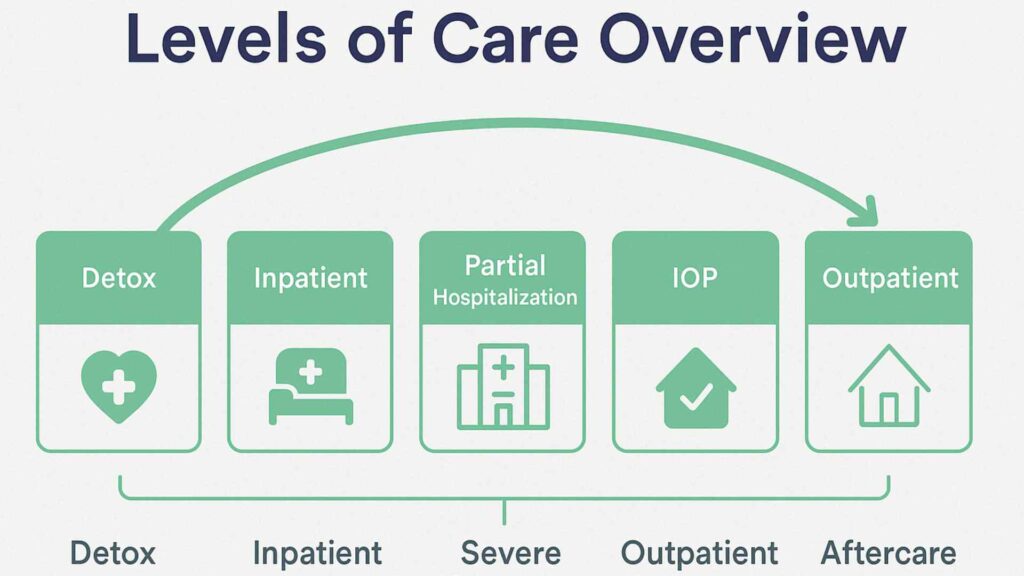
If you or someone you love is struggling, it is important to know that help is available. Recovery is not just about stopping the use of fentanyl or other substances; it is about building a life where you do not feel the need to use. At Abundance Treatment in Toledo, we focus on structured recovery that fits into your daily life. We offer Partial Hospitalization Programs and Intensive Outpatient Programs that provide clinical integrity while honoring your dignity.
Our approach is trauma-informed and evidence-based, meaning we look at the whole person, not just the addiction. We understand the fear of judgment that often comes with seeking help for mental health and addiction care. By focusing on personal empowerment and community connection, we help you transition from the clinical center back into a fulfilling life. You deserve a supportive, family-like environment where your journey to long-term wellness is respected and encouraged.
If you find yourself struggling with these medications, remember that you are not alone. Abundance Treatment is here to provide compassionate, outpatient addiction care in Toledo, Ohio. Discover your abundant life and contact us today for the support and community you deserve.