Are you wondering how outpatient rehab works and whether it’s right for your recovery journey? Unlike inpatient treatment, which requires you to live at a facility, outpatient addiction treatment allows you to receive professional care while maintaining your daily responsibilities. This guide explains the schedule, therapy types, and treatment length you can expect from outpatient programs, helping you make an informed decision about your path to recovery.
Quick Takeaways
- Outpatient rehab offers flexible treatment levels (PHP, IOP, OP) that let you maintain work, school, and family commitments while receiving structured care
- Treatment typically ranges from 30 days to several months, depending on individual needs and program intensity
- Therapy sessions include individual counseling, group therapy, and family therapy to address addiction and co-occurring mental health conditions
- Benefits of outpatient care include lower costs than inpatient treatment, real-world skill application, and ongoing support within your community
What Are Outpatient Treatment Programs?

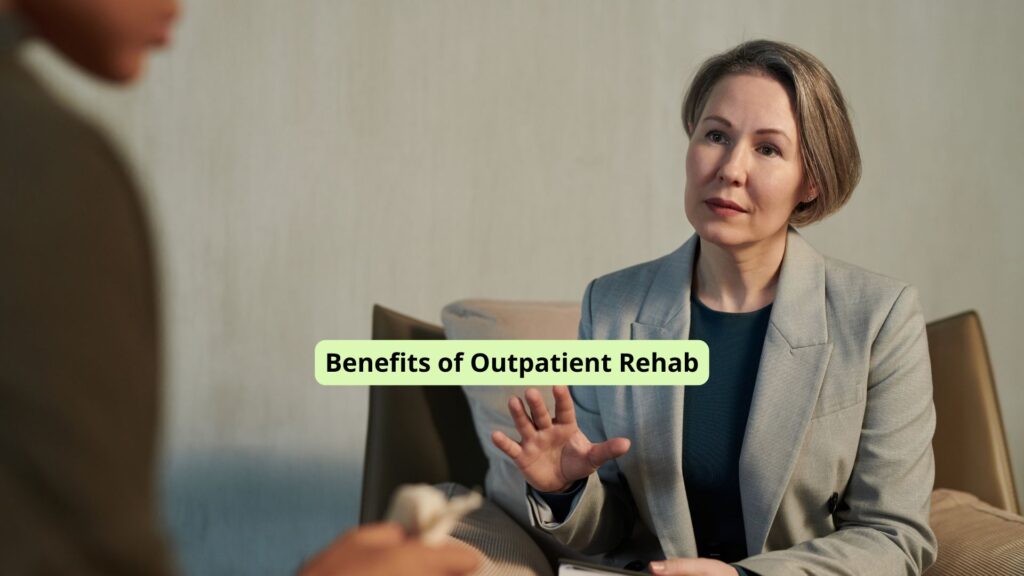
Outpatient treatment provides structured addiction care without requiring you to leave your home environment. These programs allow individuals struggling with drug or alcohol addiction to receive professional help while continuing their daily life activities. Unlike residential treatment, you attend therapy sessions at scheduled times and return home afterward, maintaining connections with family members and responsibilities.
Studies have found that outpatient care is an effective drug addiction treatment option for many individuals with substance use disorder and is linked to increased abstinence rates. Outpatient programs work particularly well for people with stable living situations, moderate addiction severity, and strong motivation for change. The flexibility allows you to immediately apply coping strategies learned in treatment to real-world situations, strengthening your recovery process.
How Outpatient Rehab Works: Levels of Outpatient Care Explained
Outpatient programs offer distinct levels of intensity to meet your specific needs.
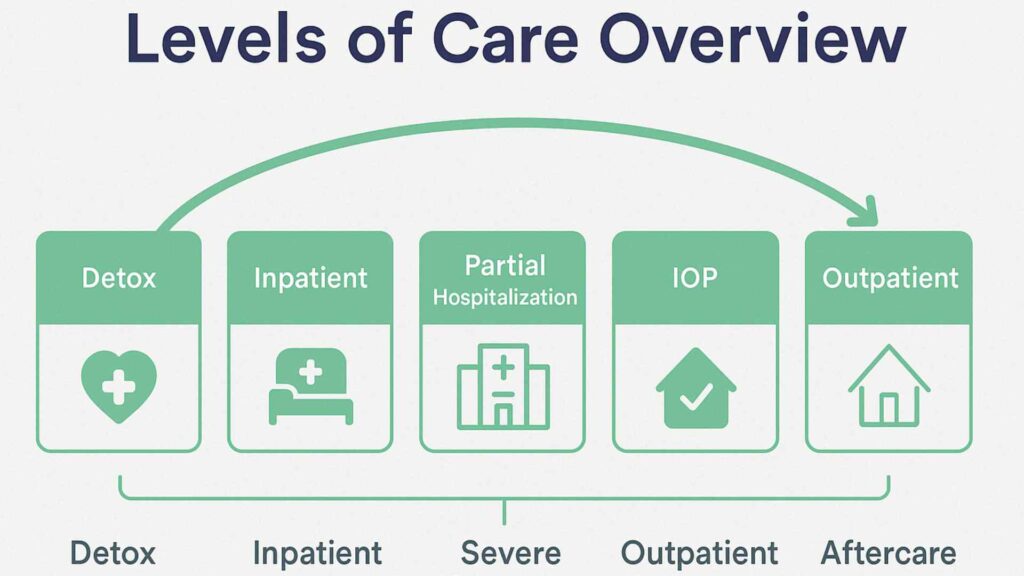
- Partial Hospitalization Programs (PHP), also known as high-intensity outpatient (HIOP), provide the most intensive treatment, typically requiring 5-6 hours of therapy daily, five days per week. This level works well if you’ve completed inpatient detoxification or need structured support during early recovery.
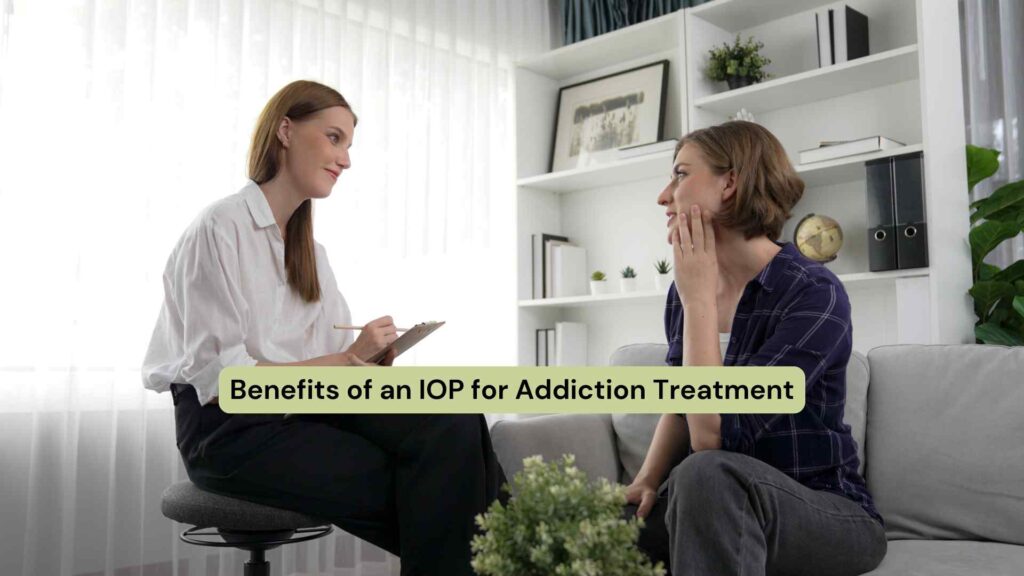
- Intensive outpatient treatment (IOP) steps down the intensity to 9-12 hours weekly, usually spread across three to five days. This allows you to work part-time or manage family obligations while receiving substantial therapeutic support.
- Traditional outpatient programs (OP) offer the lowest intensity at 1-2 sessions weekly, ideal for ongoing support after completing more intensive treatment.
Comparing Outpatient Drug Treatment Levels
| Program Level | Best For | Transition Path | Level of Structure |
| Partial Hospitalization programs (PHP) | Early recovery, post-detox stabilization | Step down from inpatient or detox | Highly structured, near-daily clinical oversight |
| Intensive Outpatient Programs (IOP) | Balancing treatment with work/family | Step down from PHP or primary treatment | Moderately structured with consistent accountability |
| Outpatient Programs (OP) | Maintenance and relapse prevention | Step down from IOP or long-term maintenance | Low structure, self-directed with clinical support |
Types of Therapy in Outpatient Settings
Outpatient addiction treatment centers utilize evidence-based behavioral therapies proven effective for substance use disorder.
- Cognitive behavioral therapy (CBT) helps you identify triggers and develop coping strategies to manage cravings without turning to substances. Your therapist works with you to recognize negative thought patterns and replace them with positive behaviors that support your recovery process.
- Group therapy connects you with others facing similar challenges with drug and alcohol addiction. These sessions reduce isolation, provide peer accountability, and let you learn from others’ experiences.
- Family therapy addresses relationship dynamics affected by addiction, helping family members understand the recovery process and develop healthier communication patterns.
- Individual therapy sessions provide a confidential space to process trauma, explore underlying issues, and work through personal challenges with a licensed therapist.
Medication-Assisted Treatment (MAT) Integration
Does outpatient rehab work when combined with medication? Medication-assisted treatment (MAT) significantly improves outcomes for alcohol addiction and opioid use disorders. FDA-approved medications like naltrexone, buprenorphine, and acamprosate reduce cravings and withdrawal symptoms, making it easier to focus on therapy and behavioral changes.
Your outpatient treatment center coordinates with medical professionals who can prescribe and monitor these medications. MAT works best when combined with counseling and behavioral therapies, not as a standalone solution. This comprehensive approach addresses both the physical dependence and psychological aspects of addiction, supporting long-term recovery.
Mental Health Services in Outpatient Care
Approximately 50% of people with substance use disorder also experience co-occurring mental health conditions like anxiety, depression, or trauma within their lifetime. Outpatient treatment programs addressing dual diagnosis provide integrated care that treats both issues simultaneously. Ignoring mental health while treating addiction rarely leads to lasting recovery since untreated conditions often trigger relapse.
Licensed therapists assess for co-occurring mental disorders during intake and throughout treatment. Your treatment plan may include psychiatric services, therapy specifically for mental health issues, and coordination with psychiatrists who can prescribe appropriate medications. This holistic approach recognizes that sustainable recovery requires addressing all factors affecting your well-being.
Benefits of Outpatient Treatment Over Inpatient Treatment

Choosing between inpatient and outpatient drug rehab depends on your specific situation, but outpatient programs offer distinct advantages. Cost represents a major factor; outpatient care typically costs significantly less than residential treatment because you’re not paying for housing and meals. Insurance coverage often provides better benefits for outpatient services, making treatment more accessible.
The ability to maintain daily life while receiving care proves invaluable for many people. You can continue working, caring for children, and fulfilling responsibilities rather than putting life on hold for 30-90 days. This immediate real-world application of recovery skills builds confidence and creates sustainable change. You also stay connected to your support system instead of being isolated from family members and the community during treatment.
FAQs About How Outpatient Rehab Works
What exactly happens in rehab?
Rehab provides structured therapy addressing addiction’s physical, mental, and behavioral aspects. You’ll attend individual and group counseling sessions, learn coping strategies for triggers and cravings, address underlying mental health conditions, develop relapse prevention skills, and build a support network. Treatment combines evidence-based therapies with peer support to help you overcome addiction.
What does outpatient therapy look like?
Outpatient therapy involves scheduled sessions at a treatment facility while living at home. You’ll attend group therapy with others in recovery, meet individually with a licensed therapist, participate in educational workshops, and potentially receive medication-assisted treatment. Sessions typically run 2-3 hours each, occurring multiple times weekly depending on your program level.
How does outpatient rehab work for alcohol?
Outpatient rehab for alcohol follows the same structure as drug treatment but addresses alcohol-specific challenges. After medical detox, if needed, you’ll attend therapy sessions focusing on triggers for drinking, developing refusal skills, understanding alcohol’s effects, and building sober social connections. Treatment may include medication to reduce cravings alongside counseling and group support.
Begin Your Recovery Journey Today
Understanding how outpatient rehab works is your first step toward reclaiming an abundant life free from addiction. Outpatient treatment offers the flexibility to maintain your responsibilities while receiving professional support for substance use disorder and co-occurring mental health conditions. Whether you need intensive outpatient programs or traditional outpatient care, structured treatment provides the tools and support necessary for lasting recovery.
At Abundance Treatment in Toledo, Ohio, we create personalized treatment programs that honor your unique journey and foster genuine healing. Our evidence-based approach combines clinical excellence with a welcoming, family-like environment where you’ll develop coping strategies and build meaningful connections. Contact us today to learn how our IOP and outpatient programs can support your recovery process.