Alcohol‑induced psychosis is a serious mental health condition that can occur after prolonged heavy drinking or during withdrawal, and it involves various symptoms. That is why recognizing early warning signs is critical for safety, timely medical care, and preventing further complications or relapse.
This article explains the symptoms, risk factors, and steps loved ones can take to respond effectively.

What Is Alcohol‑Induced Psychosis?
Alcohol-induced psychosis, also known as alcohol-induced psychotic disorder (AIPD), is more severe than typical intoxication. While alcohol can impair judgment or coordination, psychosis involves a significant break from reality, including hallucinations, delusions, and disorganized thinking.
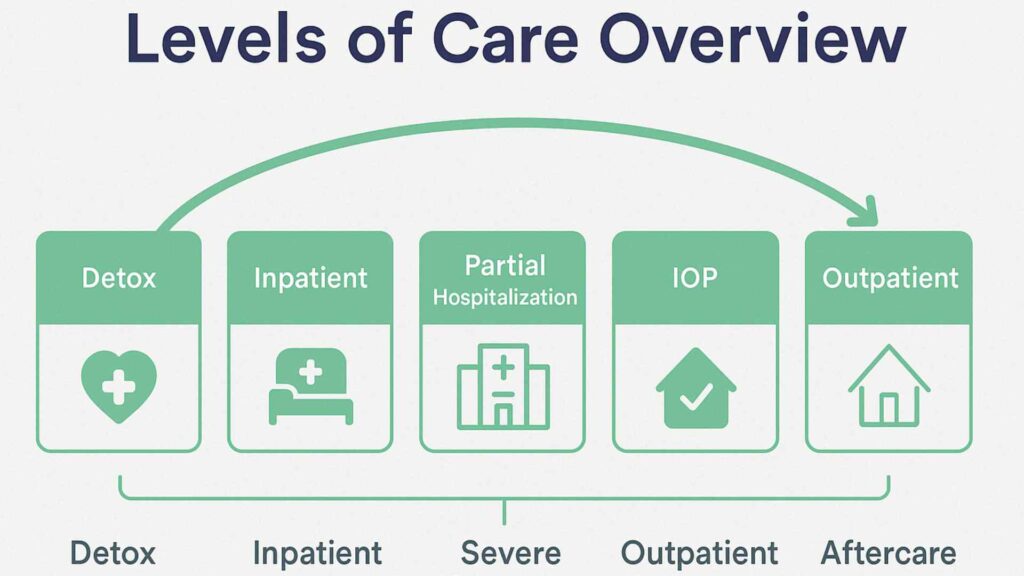
AIPD can occur during heavy drinking, chronic alcohol use, or withdrawal, including delirium tremens (DT), and is most common in people with long-term alcohol use disorder (AUD). Treatment usually begins with medical stabilization and withdrawal management. Once symptoms improve, ongoing care focuses on treating AUD through our alcohol addiction treatment program at Abundance Treatment.
Who Is at Higher Risk?
Certain factors increase the likelihood of developing alcohol-induced psychosis. Long-term heavy drinking and repeated withdrawal episodes are primary contributors, as they destabilize brain chemistry and cognitive function.
Co-occurring mental health conditions, a family history of psychotic disorders, and other medical comorbidities also raise risk. Abrupt cessation of drinking liquor after chronic use can particularly trigger psychotic episodes, highlighting the importance of medical supervision during detox.
Psychological and Perceptual Warning Signs
Early indicators often appear before a full psychotic episode and could include:
- Heightened anxiety, unexplained fear, or sudden suspicion
- Growing paranoia, such as feeling watched or persecuted without evidence
- Confusion, difficulty concentrating, or trouble following conversations
- Mild or intermittent hallucinations, including hearing faint voices, unusual sounds, or seeing shadows
- Tactile sensations such as formication, which is the feeling of bugs crawling on or under the skin
- Heightened sensitivity to light, sound, or touch, particularly during withdrawal.
These changes signal that liquor’s effect on the brain is disrupting sensory processing and requires prompt evaluation.
Behavioral and Emotional Red Flags
Behavioral changes often accompany early psychotic symptoms. Sudden agitation, restlessness, or aggression that seems out of character may emerge, along with emotional responses that do not match the situation, such as inappropriate laughter, crying, or rapid mood shifts. Individuals may also begin withdrawing socially, talking to themselves, or appearing to react to things others cannot see or hear.
Monitoring these behaviors involves observing patterns over time rather than reacting to a single incident. Loved ones should note changes in frequency, intensity, and duration, such as whether agitation is becoming more severe, whether unusual behaviors are happening more often, or whether the person’s ability to function at work, school, or home is declining.
Paying attention to sleep disruption, escalating irritability, or increasing isolation can help identify when symptoms are worsening and when professional evaluation or emergency support may be necessary.
Cognitive and Communication Changes
Alcohol-induced psychosis often affects how a person thinks, processes information, and communicates. Disorganized thinking may present as difficulty staying on topic, jumping between unrelated ideas, or speaking in ways that are hard for others to follow. Speech can become fragmented or illogical, reflecting impaired cognitive processing rather than simple confusion.
As symptoms progress, early disorientation may emerge, including uncertainty about where the person is, what day or time it is, or who others are. These changes are sometimes accompanied by the development of fixed false beliefs, or delusions, such as believing others are plotting against them. Unlike ordinary misunderstandings, these beliefs tend to persist despite reassurance or contradictory evidence and often signal a growing disruption in reality testing that can precede more severe psychotic episodes.

Warning Signs of an Escalating Emergency
Certain symptoms indicate that AIPD may be escalating into a medical emergency requiring immediate intervention.
- Hallucinations and delusions may become more frequent, vivid, or distressing, accompanied by profound confusion and inability to recognize surroundings or people.
- Behavioral changes such as violent outbursts, extreme agitation, or expressions of suicidal thoughts significantly increase the risk of harm to the individual or others.
- Symptoms of delirium tremens can develop during alcohol withdrawal, especially in severe cases. These include intense agitation, tremors, rapid heart rate, fever, dangerously high blood pressure, seizures, and vivid hallucinations. DT is a life-threatening condition that requires urgent medical care, as delays in treatment can result in serious complications or death.
How Loved Ones Can Respond to Early Warning Signs
Family members and caregivers play an important role in recognizing early warning signs and responding in ways that prioritize safety and encourage treatment. Conversations should be approached calmly and without confrontation, as arguing about delusions or attempting to force insight can increase fear or agitation. Focusing on observable behaviors and expressing concern rather than blame is often more effective. Practical safety steps can help reduce immediate risk, such as removing access to weapons, medications, or other potentially dangerous items.
Encouraging evaluation by a medical professional, detox facility, or mental health provider is critical, particularly if symptoms are worsening. Knowing when symptoms warrant calling emergency services, such as in cases of violence, severe confusion, or suicidal behavior, versus when to seek urgent but non-emergency care can help families respond appropriately and reduce the likelihood of serious outcomes.
Diagnosis and Treatment Overview
Clinicians assess AIPD through a detailed history of alcohol use, mental status examination, and ruling out other causes such as primary psychotic disorders or medical conditions. Treatment typically involves stabilizing the individual medically, managing withdrawal, and using medications like antipsychotics or sedatives when indicated. Entry into an AUD treatment program is essential for addressing the underlying addiction and preventing recurrence.
With timely treatment and sustained sobriety, many symptoms of alcohol-induced psychosis resolve. However, continued heavy drinking significantly increases the risk of recurrence. Ongoing addiction treatment, counseling, support groups, and relapse prevention strategies are essential for protecting mental health and maintaining long-term recovery.
Final Thoughts from Abundance Treatment
Early warning signs, such as subtle hallucinations, paranoia, agitation, and cognitive confusion, should never be ignored in individuals who drink heavily or are undergoing withdrawal. Prompt professional intervention can be life-saving and reduce the risk of long-term complications. Families and caregivers play a key role in monitoring symptoms, encouraging treatment, and supporting recovery, ultimately helping individuals achieve stability and sobriety.
At Abundance Treatment, we help individuals experiencing alcohol-related symptoms and mental health concerns through targeted, clinically grounded care. Our alcohol addiction program in Toledo, OH, centers on treatment and stabilization, explores the underlying factors driving misuse, and guides clients toward long-term recovery with evidence-based treatment.