Teen drug abuse isn’t just a phase, but a serious risk during a time when young brains are still wiring up. Early action can stop addiction before it takes hold and set kids up for brighter futures.
In this article, we’ll explore the dangers of waiting too long to help and why stepping in early makes all the difference.

Understanding Teen Drug Abuse
Teens face unique pressures that make drug abuse more likely, especially as their brains develop until around age 25. The prefrontal cortex, which handles decision-making and impulse control, is not yet fully mature, so that risks may feel exciting rather than scary. Peer pressure ramps up through social media and parties, where trying marijuana or alcohol seems normal. Add in family stress or easy access to pills at home, and experimentation can turn into regular use fast.
Signs of addiction often show up in everyday changes that parents and teachers can spot early. A teenager might skip school more frequently, their grades drop suddenly, or they become secretive about their phone and friends. They could seem moody, sleep a lot, or have unexplained cash needs. Recognizing these clues helps everyone act before things spiral.
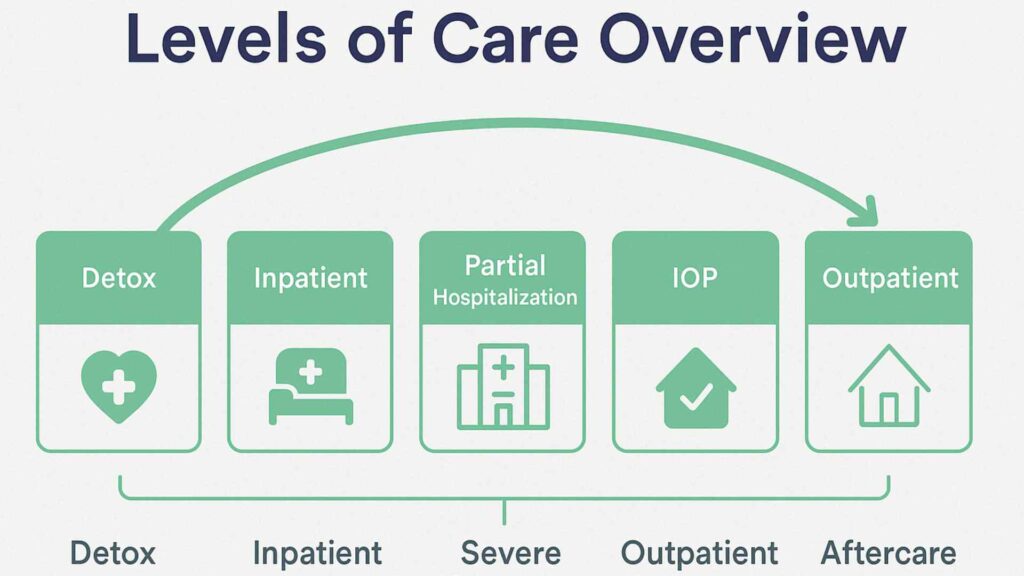
Intervention services like early counseling or outpatient programs for adolescents step in here to teach coping skills and break these patterns before addiction takes root.
Risks of Delayed Intervention
Waiting to address teen drug use lets problems grow quickly, starting with immediate dangers like overdoses or car accidents. Fentanyl hidden in vapes has caused a spike in teen ER visits, and even one bad night can end tragically. Alcohol alone leads to fights or injuries, pulling kids into risky situations they can’t handle. Without quick help, these incidents pile up and make recovery harder.
As drug use progresses, delayed help leads to deeper issues that stick around into adulthood. Addiction odds skyrocket, with half of adults in treatment starting as teens, and mental health sufferers with higher rates of depression or suicide. School dropouts become common, along with legal troubles like arrests that haunt job hunts later.
Benefits of Early Intervention
Catching drug abuse early taps into teens’ brain flexibility, known as neuroplasticity, which allows them to rewire habits and thought patterns more easily than adults do. Addiction treatment programs started at a young age tend to work better because developing brains adapt faster to positive changes like new coping strategies and healthier routines.
Families often see bonds strengthen through therapy that rebuilds trust and open communication, while kids get back on track with schoolwork, hobbies, and friendships. This early head start not only prevents years of deeper struggle but also builds lifelong skills for handling stress and temptations.
Beyond immediate recovery, these steps lead to bigger wins down the road, such as steadier paths to better jobs and overall health. Teens who receive help early are more likely to stay in school and graduate, avoiding pitfalls like criminal records that can block future career opportunities. They pick up practical tools for managing stress and emotions, which help them navigate triggers more effectively and reduce the chances of slipping back into old patterns.
Evidence from Research and Programs
Research like the big Adolescent Brain Cognitive Development (ABCD) Study tracks thousands of kids and proves early screening spots risks before they explode. It shows that brief talks with counselors can cut heavy use by half in just months. Programs using cognitive behavioral therapy help teens rethink triggers, with follow-ups confirming lower relapse over the years. These findings come from real tracking, not guesses, giving solid proof that timing matters.
Real programs bring this to life, like Project ALERT in schools, where lessons and role-playing drop marijuana use by 25% among participants. Screening, Brief Intervention, and Referral to Treatment (SBIRT) tools let doctors or teachers screen quickly and refer to help right away. Communities running these see fewer overdoses and better mental health stats. A middle school that adds weekly check-ins might see suspensions for drug offenses fall by 40%, proving that small steps yield big community gains.

Strategies for Early Intervention
Spotting issues starts with simple techniques that parents and schools use daily. Parents can track mood swings, hidden stashes, or sudden cash needs while fostering open talks without judgment. Questions like “What’s going on?” paired with active listening builds trust for honest answers. These home efforts create a safe space for teens to share struggles early. Families can also set clear rules at home, like no phones after 10 p.m., and join support groups for guidance and shared strategies.
In school, teachers spot signs like zoning out, missed class patterns, or academic slips and weave in subtle check-ins during the day. Schools respond by offering counseling during lunch or after-school clubs to normalize support. Once identified, these steps keep momentum without pulling kids from their routines.
For more challenging cases, outpatient therapy provides weekly family-involved sessions that teach coping skills while keeping teens in their daily lives. When denial still runs deep, a professional interventionist proves invaluable, orchestrating structured family meetings with empathy and evidence to overcome resistance and smoothly guide teens into treatment.
The Role of Families, Schools, and Communities
Families lead by educating themselves on signs and starting calm talks that show support, not punishment. They set boundaries like supervised hangouts and model healthy stress relief through sports or talks. Groups like Alateen, a part of the Al-Anon Family Groups, provide a place where teens come together to share experiences, giving siblings a space to do so without shame. This teamwork helps teens feel backed, not alone.
Schools and communities fill gaps with prevention classes and safe spaces like youth centers. Educators train to spot issues and connect to counselors fast. Local leaders push for policies like free testing kits or telehealth access. Together, they create nets that catch kids early and guide them forward.
Challenges and Solutions
Barriers like stigma make families deny problems, thinking “It’s just a phase,” which delays help and worsens isolation. Access lags in rural or low-income areas, where waits for counselors stretch months. Teens fear judgment, so they hide their use deeper. These hurdles slow progress, but aren’t unbeatable.
Solutions include telehealth for quick virtual sessions and awareness drives that normalize help-seeking. Free apps and hotlines provide 24/7 entry points, while training cuts stigma. Communities fund mobile clinics to reach everyone. Pushing past these builds systems where early help feels easy and expected.
Final Thoughts from Abundance Treatment
Early intervention turns teen drug abuse from a lifelong battle into a manageable bump, backed by science, stories, and smart strategies. Parents, teachers, and friends hold the power to spot signs and act with compassion.
At Abundance Treatment, we understand that early intervention through compassionate, structured services can transform teen drug abuse from a hidden crisis into a path of healing. Our intervention services in Toledo, OH, guide families in planning empathetic conversations that break through denial and resistance, helping teens recognize the need for care without blame or confrontation. With immediate access to youth-tailored Outpatient (OP) and Intensive Outpatient (IOP) programs featuring Cognitive Behavioral Therapy (CBT), Dialectical Behavior Therapy (DBT), and relapse prevention, we support daily life while building lasting skills against triggers.